Dr. Rinki Tiwari – Senior Fertility Consultant


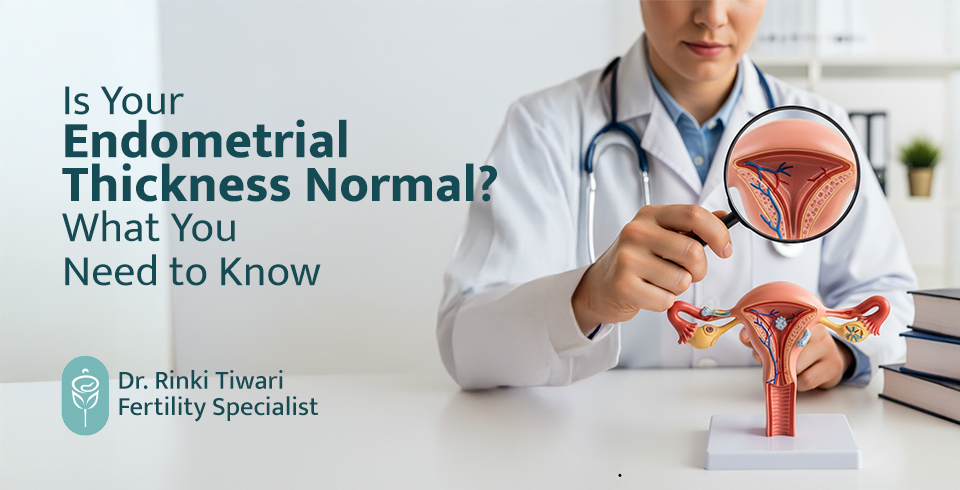
Is Your Endometrium Healthy? A Guide to Normal Thickness and Fertility
The human body is an engineering marvel, and the female reproductive system is no exception. Every month, a fascinating hormonal ballet orchestrates the menstrual cycle, prepping your body for the possibility of pregnancy. This intricate process hinges on the uterus, a pear-shaped sanctuary that cradles a growing baby. But have you ever considered the lining of this vital organ—the endometrium—and its impact on your cycle?
This blog delves into the world of the endometrium, answering questions like “what is normal endometrial thickness?” and exploring its significance in fertility. We’ll navigate the science behind this essential tissue, its role in implantation, and how its thickness can be a valuable indicator of your reproductive health.
What is the Endometrium?
The endometrium plays a critical role in fertility, acting as a welcoming haven for a fertilized egg. Understanding its normal thickness and how it impacts implantation can empower you to take charge of your reproductive health.
What is Normal Endometrial Thickness?
Endometrial thickness is a dynamic measurement that fluctuates based on hormonal changes. A healthy endometrium, receptive for embryo implantation, typically measures 7–14 mm during the ovulatory phase of the menstrual cycle. This range is considered optimal for successful embryo implantation and pregnancy.
Lining Up for Success: Understanding Endometrial Thickness for Conception
Thin Endometrium (less than 5 mm):
A consistently thin lining can make implantation difficult. The embryo needs a lush, receptive bed to implant successfully. Causes of a thin endometrium may include low estrogen levels, ovulation dysfunction, or conditions like Asherman’s syndrome.
Thick Endometrium (greater than 14 mm):
An excessively thick lining may also pose challenges for implantation. While the exact reasons aren’t fully understood, possibilities include fibroids, polyps, or less receptive tissue.
Ideal Endometrial Thickness for Fertility Treatments
For IUI (Intrauterine Insemination):
A lining thickness of 7 mm or more is generally considered favorable, providing a better environment for sperm to meet the egg and for implantation to occur.
For Embryo Transfer (IVF):
In IVF, where a fertilized embryo is implanted in the uterus, studies suggest a lining of 8 mm or more is associated with higher pregnancy rates and fewer miscarriages.
Maintaining a Healthy Endometrium: Partnering with Your Body
Here are some lifestyle tips to support a healthy endometrium:
- Maintain a healthy weight: Obesity can disrupt hormonal balance, affecting the endometrium.
- Manage stress: Chronic stress can interfere with hormone regulation.
- Eat a balanced diet: Include nutrient-rich foods like almonds and soy, which are natural sources of estrogen.
- Regular exercise: Moderate physical activity most days of the week helps regulate hormones.
- Yoga: Some studies suggest yoga can improve endometrial thickness.
Seeking Expert Guidance
The information here is for educational purposes only. If you have concerns about your endometrial thickness or are experiencing fertility challenges, consult a healthcare professional. I, Dr. Rinki Tiwari, specialize in women’s health and fertility and provide personalized guidance to address underlying conditions that may affect endometrial health.
Taking the Next Step
For women seeking additional support, consider connecting with me, Dr. Rinki Tiwari, who understands the intricacies of the female reproductive system. This blog is informative but cannot replace a professional consultation
1.How is endometrial thickness measured?
The most common way to measure endometrial thickness in India is with an ultrasound, particularly a transvaginal ultrasound. This minimally invasive procedure involves inserting a thin probe into the vagina to get a clear image of the uterus. During the ultrasound, the doctor can measure the thickest part of the endometrial lining.
2.What is the reason for monitoring endometrial thickness during pregnancy?
The endometrial thickness predicts pregnancy outcome with high sensitivity and specificity.
3.Which foods increase endometrial thickness?
While there’s no guaranteed diet to thicken your endometrium, incorporating some easily available Indian foods like Whole grains, fruits rich in antioxidants, healthy fats, L-arginine rich foods and iron-rich foods, might contribute to a healthy uterine lining. Remember, a balanced and nutritious diet is key. Consult your doctor for personalized advice based on your specific needs.
4. Can thin endometrium cause infertility?
Yes, a thin endometrium can be a factor in infertility. A healthy lining is needed for successful implantation of a fertilized egg. A thin endometrium may not provide the optimal conditions for successful implantation, leading to difficulty in conceiving or recurrent miscarriages.