Dr. Rinki Tiwari – Senior Fertility Consultant


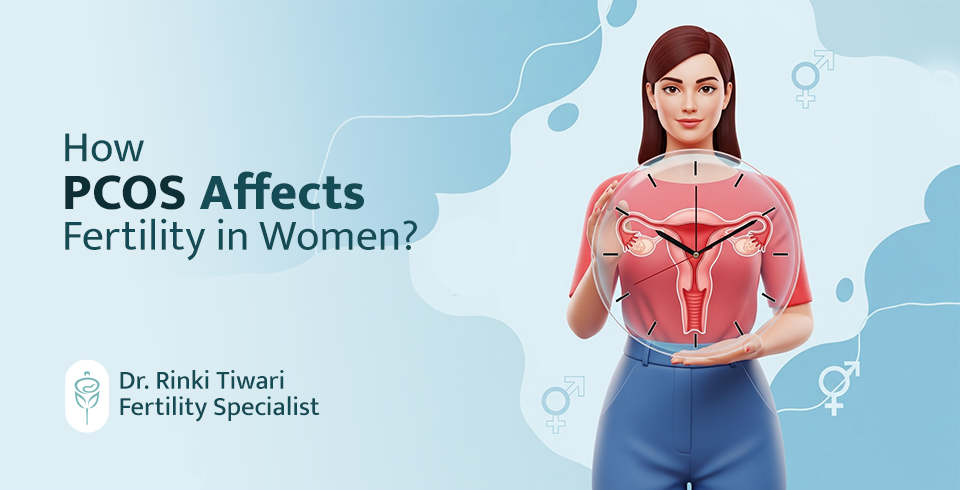
Polycystic Ovary Syndrome (PCOS) is a prevalent hormonal imbalance affecting women during their reproductive years. While not a direct roadblock to pregnancy, PCOS can make it more challenging to conceive. Here, Dr. Rinki Tiwari (MBBS, MS (OBGYN), FMAS (Laparoscopy), Fellowship in Reproductive Medicine (FRM) BACC – Milaan, Bangalore) explains the complexities of PCOS and its impact on fertility. This article delves into PCOS, its causes, symptoms, treatment options, and how Dr. Rinki can guide you on your path to parenthood.
What is PCOS?
PCOS disrupts the intricate hormonal balance within a woman’s body. The ovaries, responsible for egg production and hormone regulation, become affected. In women with PCOS, numerous small cysts develop on the ovaries. These cysts don’t release mature eggs (ovulation), leading to irregular or absent periods. Additionally, PCOS can cause an increase in androgen levels (male hormones) in women, further disrupting the menstrual cycle and ovulation.
Causes of PCOS
The exact cause of PCOS remains under investigation, but research suggests a combination of genetic and environmental factors may be involved. Insulin resistance, a condition where the body struggles to utilize insulin effectively, is commonly observed in women with PCOS. This can contribute to hormonal imbalances and increased androgen production.
Signs and Symptoms of PCOS
PCOS can manifest through a variety of symptoms, and their severity can vary from woman to woman. Common signs include:
- Irregular periods or their complete absence
- Excessive hair growth on the face, chest, or abdomen (hirsutism)
- Acne or oily skin
- Weight gain or difficulty losing weight
- Baldness or thinning hair
Diagnosis of PCOS
PCOS is often overdiagnosed, so obtaining an accurate diagnosis based on the Rotterdam criteria is crucial. A consultation with Dr. Rinki Tiwari can help you receive a proper PCOS diagnosis and personalized guidance for fertility planning.
Treatment of PCOS
PCOS is a condition, not a disease, so there is no permanent cure. However, effective treatment strategies can manage symptoms and improve fertility. Dr. Rinki offers a comprehensive approach to PCOS management, including:
Lifestyle Modifications
Maintaining a healthy weight through a balanced diet and regular exercise can significantly improve insulin sensitivity and overall health in women with PCOS. Studies show that even a 10% weight reduction can help women ovulate naturally, improving the chances of conception.
Medications
- Birth control pills can reduce androgen levels.
- Anti-androgen medications may be prescribed to address excessive hair growth.
Ovulation Induction Medications
These medications stimulate ovulation, increasing the chances of pregnancy.
Assisted Reproductive Treatments
- IUI: Intrauterine Insemination (IUI) combined with ovulation induction can increase success rates for PCOS patients by 15–20% compared to natural cycles.
- IVF: In cases where ovulation induction or IUI is not successful, In Vitro Fertilization (IVF) may be recommended. PCOS can impact egg quality and implantation, making IVF an effective option for achieving pregnancy.
Complications of PCOS
If left untreated, PCOS can increase the risk of:
- Type 2 diabetes: Insulin resistance can lead to diabetes.
- Metabolic syndrome: Includes high blood pressure, high blood sugar, and unhealthy cholesterol levels.
- Endometrial cancer: Prolonged absence of menses can increase the risk of uterine lining cancer.
PCOS and Infertility
While PCOS can make conception more challenging due to infrequent or absent ovulation, not all women with PCOS will experience infertility. Dr. Rinki provides evidence-based treatments to help optimize fertility potential.
Can You Get Pregnant with PCOS?
Absolutely! Many women with PCOS achieve pregnancy naturally, while others may require fertility treatments. Dr. Rinki Tiwari works closely with patients to develop personalized treatment plans that improve the chances of a successful pregnancy. Flexible consultation options and transparent pricing ensure support throughout your fertility journey.
Considering PCOS Treatment?
If you’re experiencing symptoms of PCOS or are concerned about its impact on fertility, Dr. Rinki. Tiwari in Gachibowli Hyderabad, is here to guide you. Advanced diagnostic testing and tailored treatment options can help you take the first step toward parenthood.
Remember, PCOS doesn’t have to define your fertility journey. With the right approach and expert guidance, you can increase your chances of a healthy pregnancy.
How common are fertility issues with PCOS?
Polycystic ovary syndrome (PCOS) affects an estimated 8–13% of reproductive-aged women. Up to 70% of affected women remain undiagnosed worldwide. PCOS is the commonest cause of anovulation and a leading cause of infertility.
How can I improve my fertility with PCOS?
Weight management, a healthy diet, and exercise can improve insulin sensitivity and potentially ovulation in women affected by PCOS.
What are the treatment options for infertility with PCOS?
For women with PCOS, the primary focus is on inducing ovulation. As such, the first-line treatment option can be ovulation induction drugs combined with natural intercourse. In other cases, intrauterine insemination (IUI) may be a suitable treatment option. Furthermore, in some instances, in vitro fertilization (IVF) could also be considered as a treatment option for infertility caused by PCOS.
Can PCOS be prevented?
No, the cause of PCOS is unknown so prevention isn’t possible. However, maintaining a healthy lifestyle and healthy weight can reduce risk factors.
Can lifestyle changes alone improve fertility in individuals with PCOS?
Yes, lifestyle changes like diet, exercise, and weight management can improve ovulation and fertility in some women with PCOS [Women’s Health Gov].
.