Dr. Rinki Tiwari – Senior Fertility Consultant


Post author: By OriginFertility
Post date: July 13, 2023
Categories: In Blog
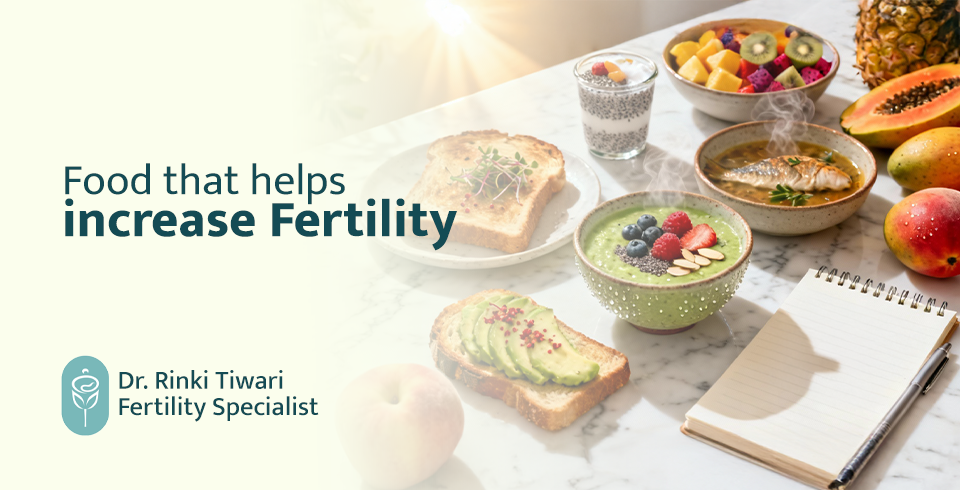
It is well established that nutrition plays a crucial role in both male and female fertility, as well as overall health. Dietary improvements can significantly boost fertility. Let’s explore the foods that help increase fertility.Food That Helps Increase Fertility
A balanced diet can be divided into two essential parts — Micronutrients and Macronutrients. Let’s understand each in detail.Micronutrient Foods That Help Increase Fertility
Micronutrients make up a smaller portion of the diet but are vital for reproductive health. They include vitamins and minerals, which the body requires in small amounts for optimal function.
Vitamins to Increase Fertility
Folic Acid (Folate):
Folic acid is one of the most important vitamins for women planning pregnancy.
- Folate is the natural form found in food, while folic acid is the synthetic form used in supplements and fortified foods.
- It is essential for egg development (oogenesis), fertilization, and early pregnancy.
- Women should begin folate supplementation during the preconception period and continue until at least 12 weeks of pregnancy to prevent neural tube defects.
- High folate intake has a positive impact on fertility treatment outcomes, improving both fertilization and pregnancy rates.
Foods rich in folate:
Spinach, asparagus, Brussels sprouts, beans, peas, nuts, eggs, dairy products, meat, seafood, and yeast extract.Vitamin D:
Vitamin D supports both egg and sperm quality and plays a role in hormonal balance and reproductive function. Adequate Vitamin D levels are linked to increased chances of conception.
Iodine:
Iodine is essential for thyroid hormone production and healthy pregnancy outcomes.
Women should maintain sufficient iodine stores before and during pregnancy, as well as during breastfeeding.
Sources of iodine:
Milk, dairy products, seafood, and iodized salt.
Macronutrient Foods That Help Increase Fertility
Macronutrients form the larger portion of daily nutrition. These include carbohydrates, fats, and proteins, all of which impact fertility in unique ways.
Carbohydrates:
- The quality and quantity of carbohydrates affect insulin sensitivity and hormone balance.
- Reduced carbohydrate intake in women with PCOS improves insulin sensitivity and may restore ovulation.
- Whole grains provide essential vitamins, selenium, and antioxidants that enhance fertility and increase pregnancy rates.
- Avoid “bad carbs” such as bread, cookies, and cakes made from refined flour.
Fatty Acids:
- Fatty acids are vital for reproductive hormone production (like estrogen and progesterone).
- A higher intake of Omega-3 fatty acids is linked to better embryo quality and improved fertility outcomes.
- Trans fats, found in processed and fried foods, negatively affect ovulatory function and should be avoided.
Protein:
- The daily recommended protein intake for a healthy adult is 0.8 g per kilogram of body weight.
- A balanced protein intake supports hormone production, tissue repair, and egg health.
(Also check our related post on “Preparing for IVF: Fertility Enhancement and Treatment Outcomes.”)
Foods That Impact Female Fertility Negatively
Animal Protein:
- High meat consumption, especially red meat, can negatively affect female fertility.
- Studies have shown that red meat may reduce embryo quality after IVF.
Fish:
- While fish is rich in Omega-3 fatty acids, some species contain high levels of mercury, which can harm reproductive health.
- Mercury-rich fish can reduce IVF success rates, so choose low-mercury varieties like salmon and sardines.
Soy:
- Soy isoflavones may improve reproductive outcomes.
- In women undergoing fertility treatments, soy supplements have been associated with improved endometrial thickness, higher live birth rates, and better IUI outcomes.
Conclusion – Food That Helps Increase Fertility
A healthy and balanced diet has a significant positive effect on fertility and pregnancy outcomes.
Foods that help increase fertility:
- Whole grains
- Fresh fruits
- Green leafy vegetables
- Monounsaturated fats (like olive oil)
- Fish (low-mercury varieties)
- Avocados
- Eggs
- Lean protein sources
These foods are linked to higher pregnancy rates and better IVF outcomes.
Foods that negatively impact fertility:
- Trans fats (found in packaged snacks)
- Red meat
- Mercury-rich fish
- Refined or “bad” carbohydrates
A nutrient-rich, fertility-friendly diet can enhance your natural conception chances and support fertility treatment outcomes — though it cannot replace medical treatment.
Expert Advice from Dr. Rinki Tiwari
For any fertility concerns, consult Dr. Rinki Tiwari, one of Hyderabad’s leading fertility specialists.
Located in Madhapur, Hyderabad, Dr. Rinki Tiwari provides personalized fertility guidance, nutritional advice, and advanced treatment options to help you take the next step toward parenthood.